


Monochrome Athletic Outfits: How to Wear One Color Head to Toe
Head to toe in a single color is the fastest way to look put together without trying. It works because it deletes the decision most outfits get wrong, which is how two colors talk to each other. Here is how to build one that reads intentional instead of accidental.
Monochrome and tonal are not the same thing
Monochrome means one color at one value. Black tee, black jogger, black hat. Tonal means one color across several values, like bone and sand and coffee in the same outfit. Monochrome is graphic and a little severe. Tonal is softer and reads more expensive, because the eye gets somewhere to travel.
Decide which one you are doing before you shop. They need different pieces, and mixing the two by accident is what produces an outfit that looks almost right and nobody can say why.
One color, one value, across three pieces. High contrast against the room, zero contrast inside the outfit. Best in black, white, or navy, where the shade is easy to repeat.
One color family, three values, light to dark. Forgiving, harder to get wrong, and the version worth wearing in browns and bones.
Start with the anchor, not the accent
The anchor is the biggest piece in the outfit, and it is almost always the bottom. Choose it first, then match everything up to it. Start at the top and you will end up with two blacks that are not the same black, and that gap is the single most common way a one color outfit falls apart.
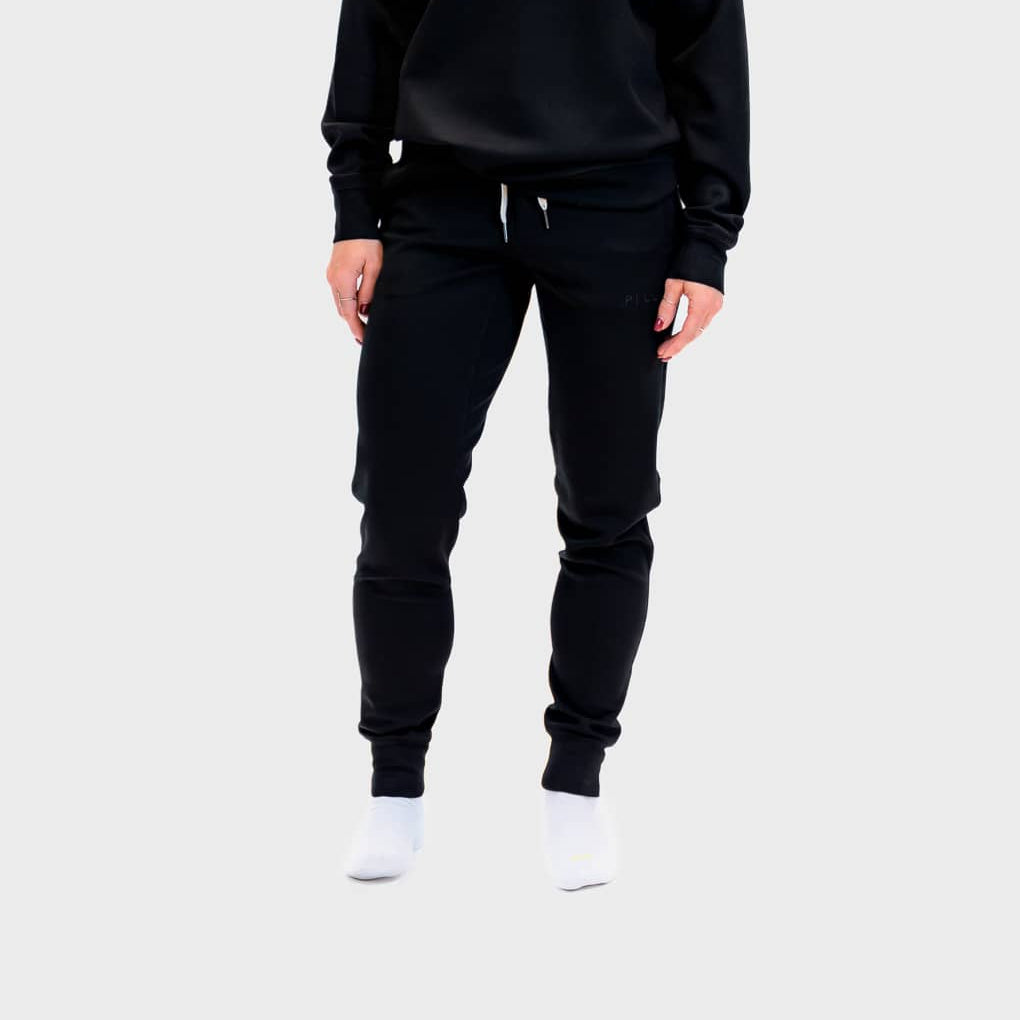
The Alec Jogger in Black is a good anchor for exactly this reason. Heavyweight fleece holds a deep, even black instead of drifting toward charcoal after a few washes, so you can match a tee to it and still match it in March.
The ink column
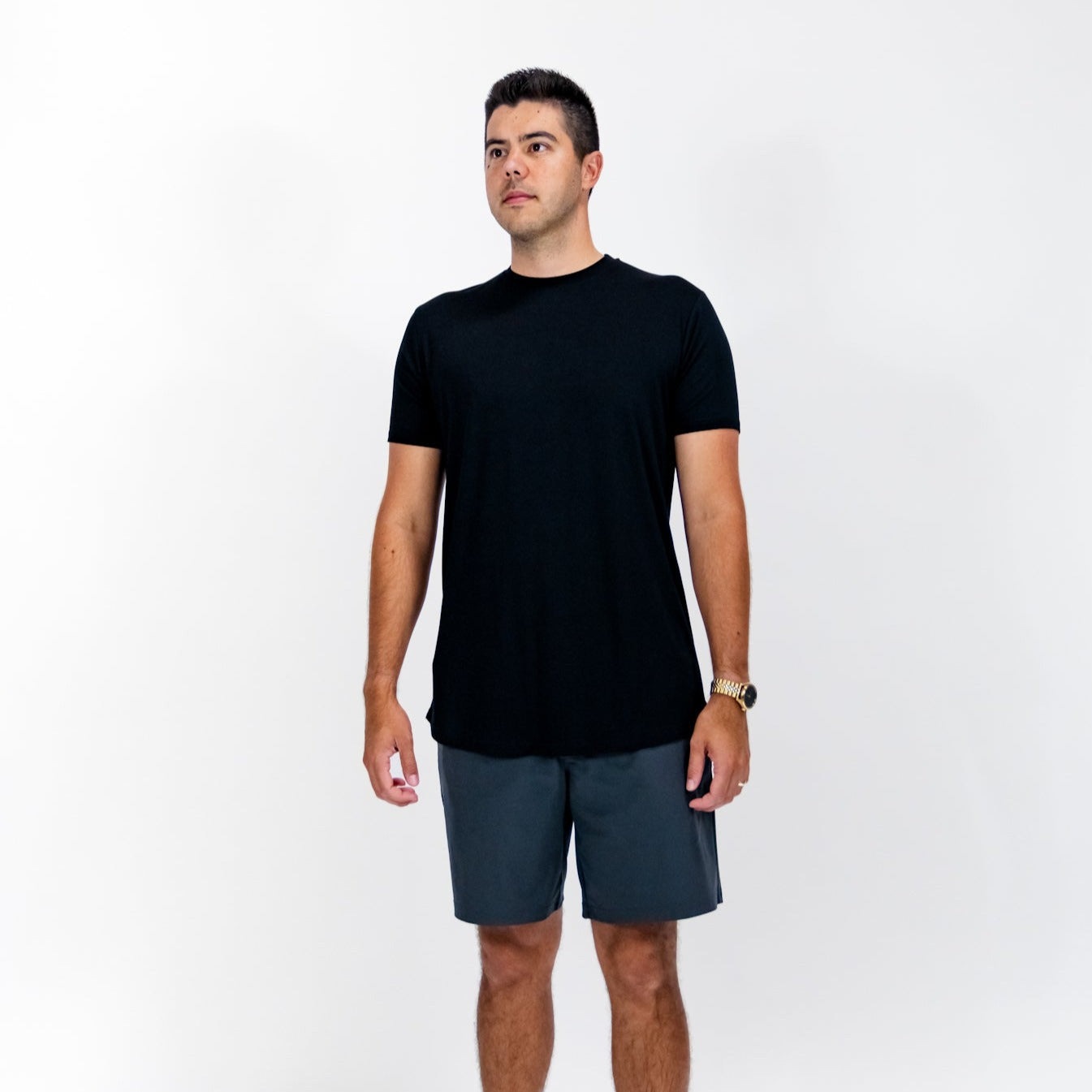
Black on black, two textures. Smooth performance knit on top, brushed fleece below. Same color, different light.
Three textures keep one color from going flat
A single color outfit lives or dies on texture. Three pieces in the same color and the same fabric reads like a uniform. The same color across a knit, a fleece and a woven reads designed. That is the whole trick, and it costs nothing.
The practical version: pick one smooth piece, one brushed piece, and one piece with structure, such as a collar or a waistband. A performance tee under a fleece crew with a woven short underneath gives you three surfaces catching light three different ways while the color never moves.
| Value | What it does | Where to put it |
|---|---|---|
| Lightest | Pulls the eye, widens what it covers | The piece you want noticed first |
| Middle | Connects the other two so the jump is not abrupt | The layer, vest or crew |
| Darkest | Grounds the outfit and narrows what it covers | The anchor, almost always the bottom |
All white is the hardest one, and the most relevant right now
Pantone named Cloud Dancer, a warm off white, the 2026 color of the year, and we wrote about how to actually wear it. White is also the least forgiving color in the catalog. It shows every fit problem and every seam.
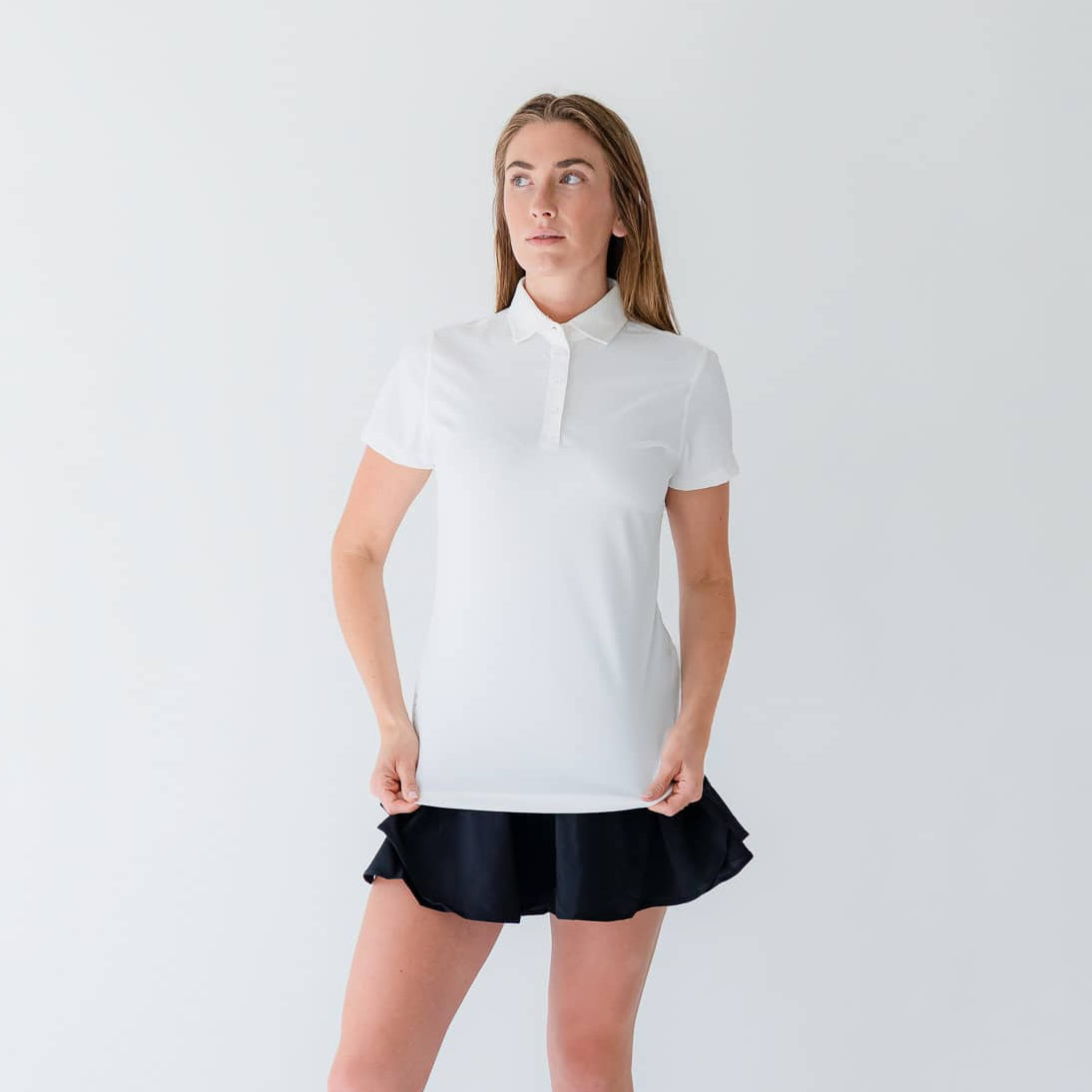
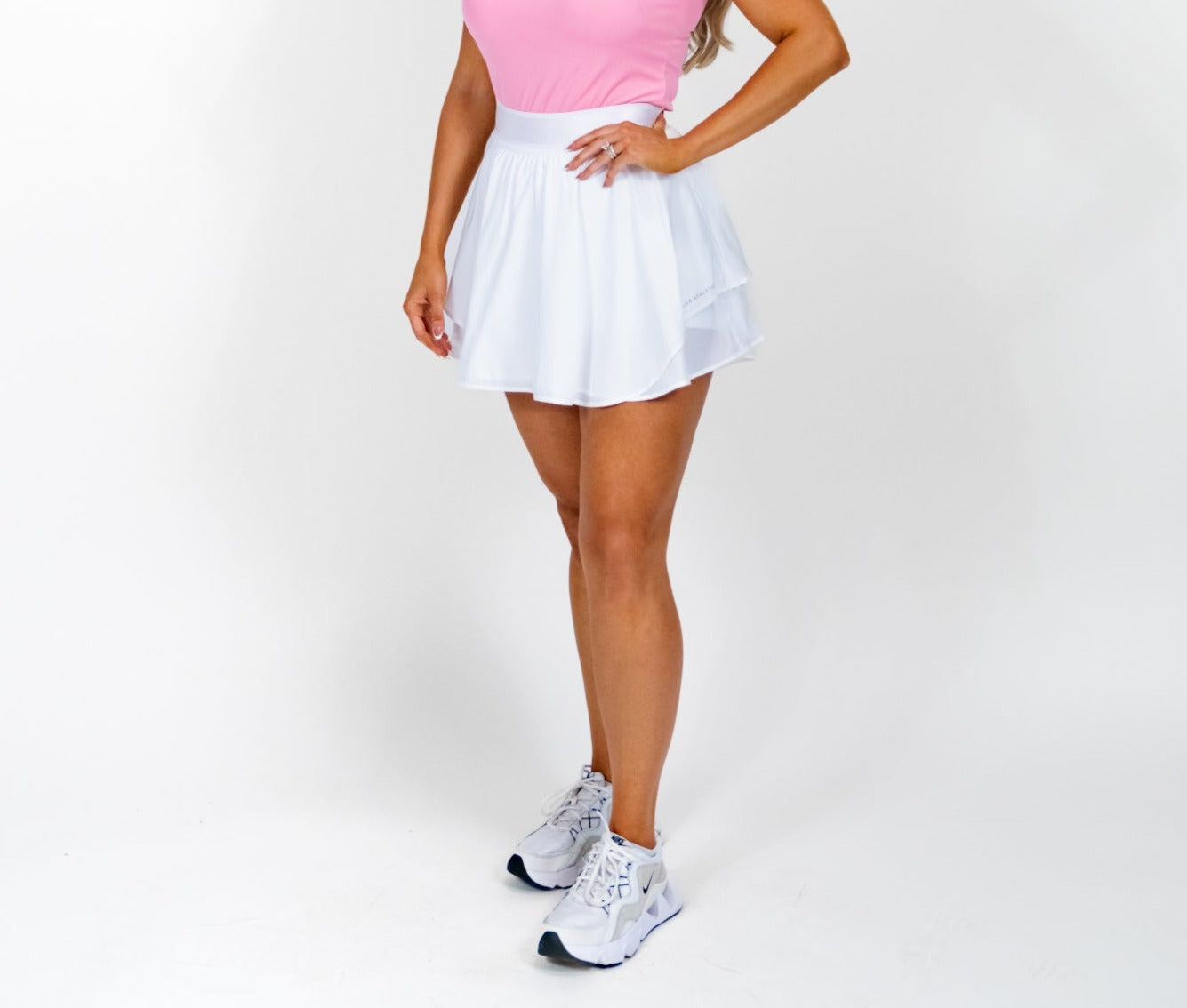
The fix is structure. A polo with a real collar and a skirt with a clean waistband hold their shape. A soft tee and a drapey bottom sag, and sag in white looks cheap in a way it never does in black. Keep your whites in the same family too. A cool bright white next to a warm bone looks like a laundry mistake, which is also why keeping whites white matters more here than anywhere else.
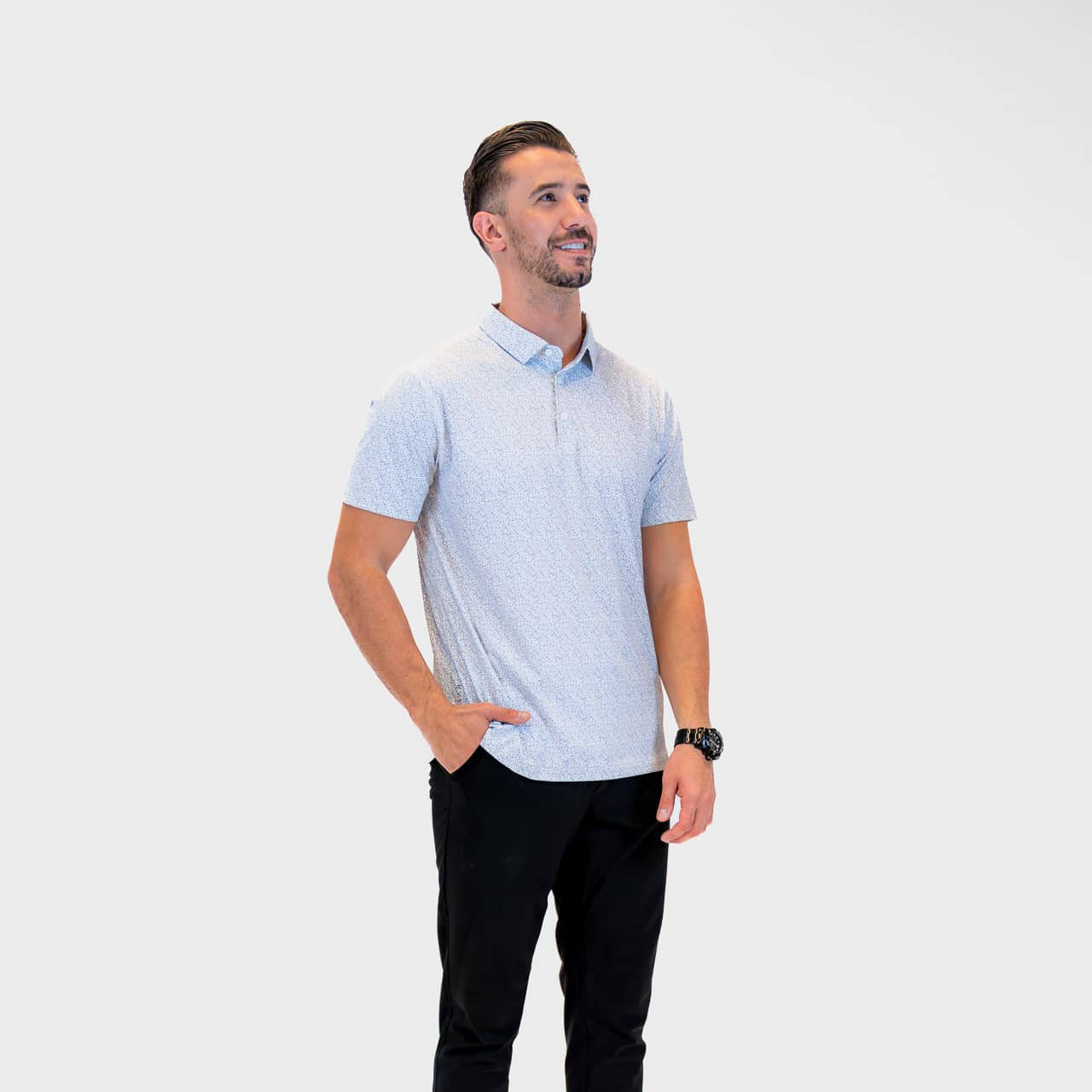
The bone column
Collar on top, structured waistband below, and a hat one step brighter so the outfit has a top note.
Brown is the easiest tonal story to wear this fall
If black feels heavy and white feels like work, brown is the answer in between. Warm neutrals are taking territory from cool ones across the whole category this season, and brown flatters more skin tones than grey does.
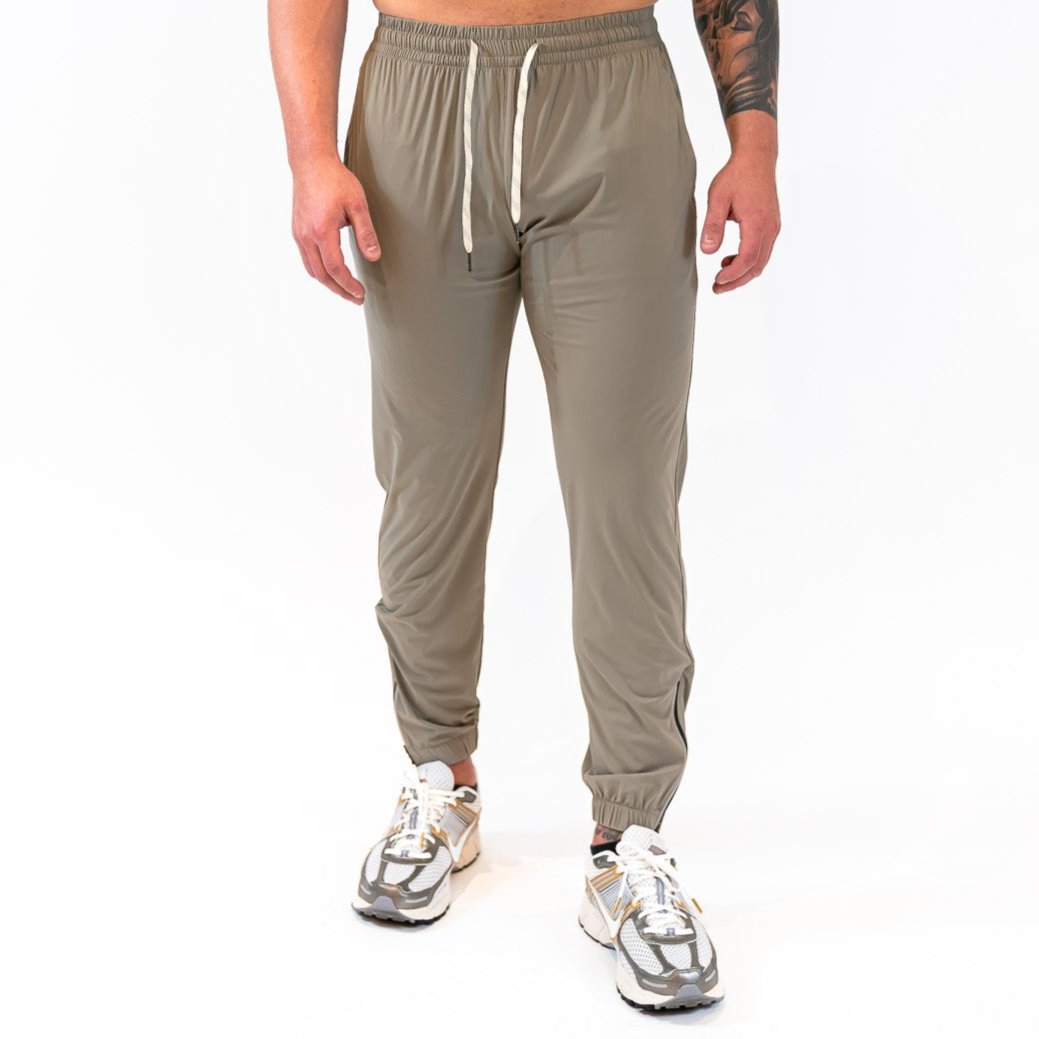
Brown is also the most forgiving tonal family because nobody expects two browns to match exactly. Stack brew, tan and beige and the variance reads as depth rather than error. The Steven Polo in Brew over tan joggers is the whole idea in two pieces.
The brew column
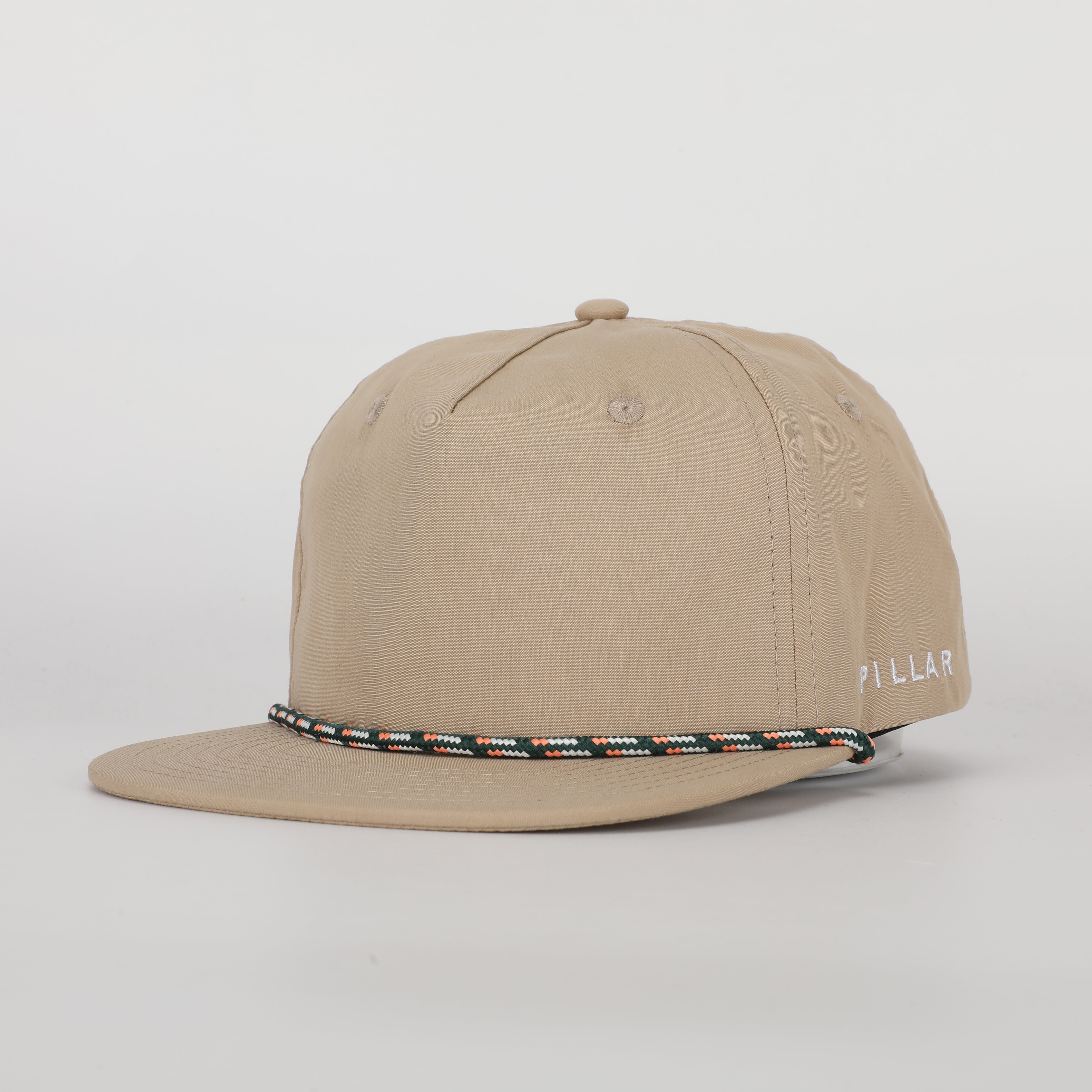
Two values apart, not three. Dark on top, warm and light below, rope hat to split the difference.
What actually breaks a one color outfit
- Two blacks with different mileage. A three year old tee against a new jogger is not the same black anymore. Retire the faded one to the gym.
- A logo in a contrast color. One bright mark cancels the entire effect. This is the main reason quiet, logo free pieces work better for this.
- Three pieces in identical fabric. Same color plus same texture equals uniform. Break one surface.
- An unrelated neutral on your feet. Grey shoes under a brown outfit read as a fourth color. Go darker than the anchor or match it.
- Matching the hat to the top. Match it to the bottom instead, or go one step off on purpose.
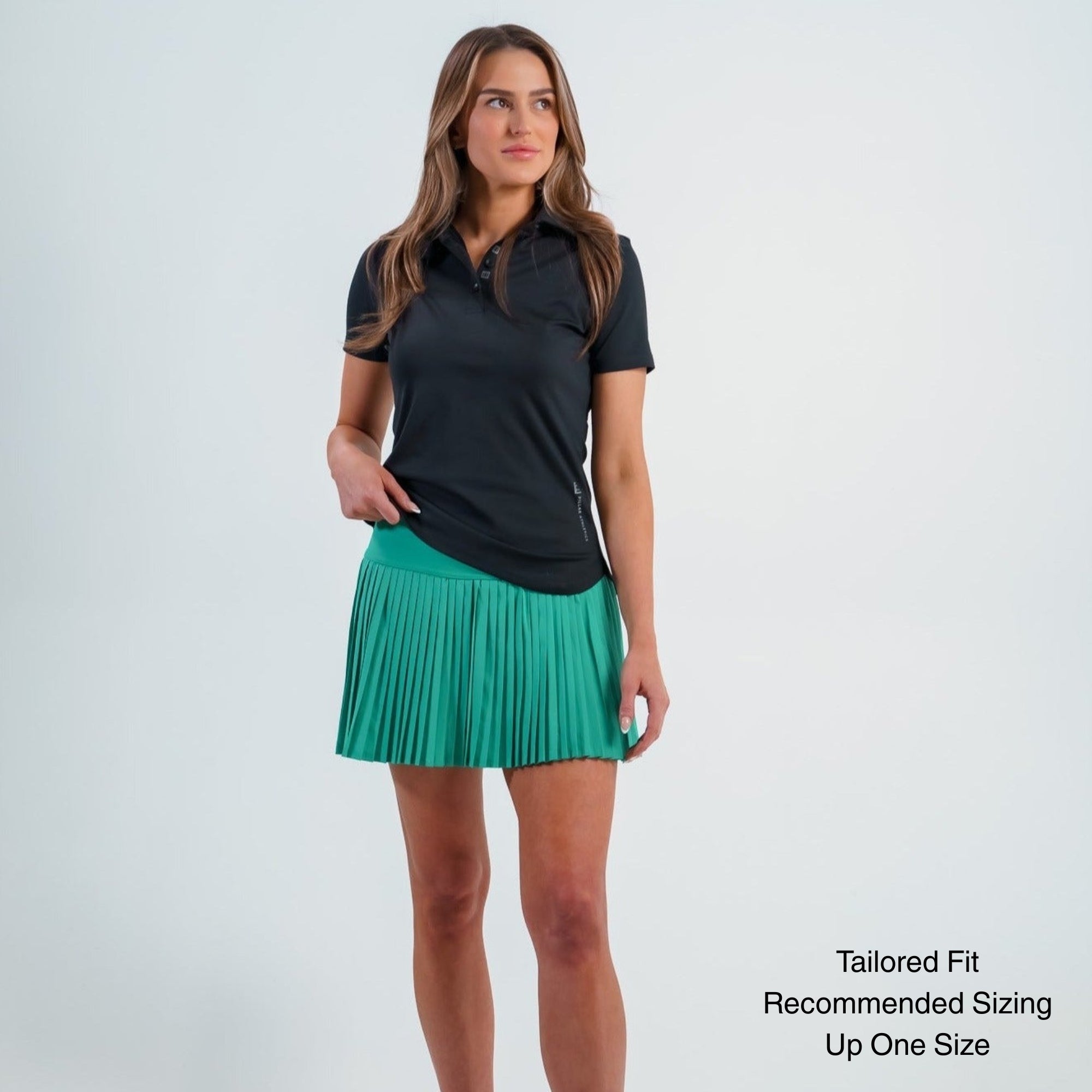
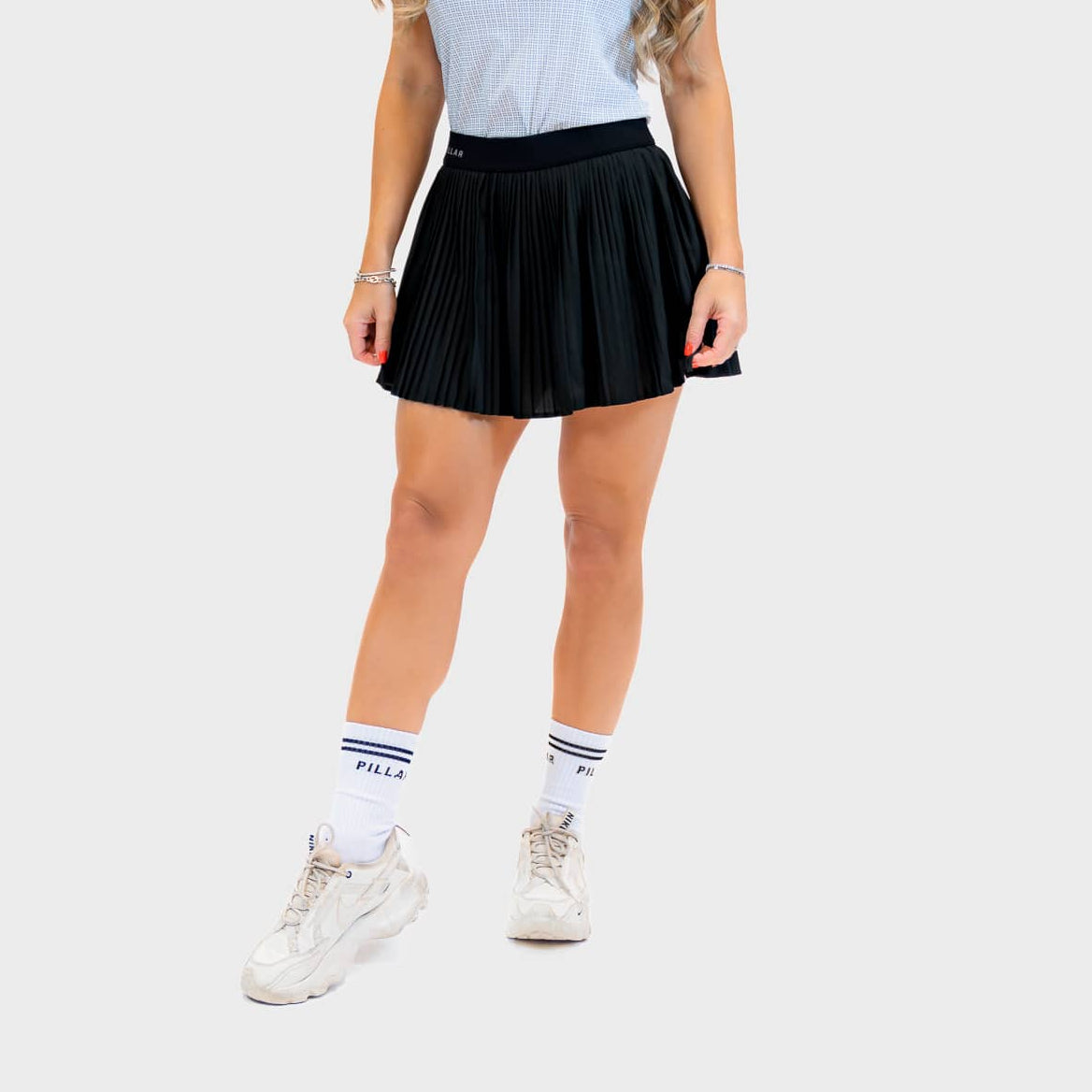
The all black women’s version
Collar, skirt, hat. Three pieces, one value, and the Lauren Skirt in Black doing the anchor work.
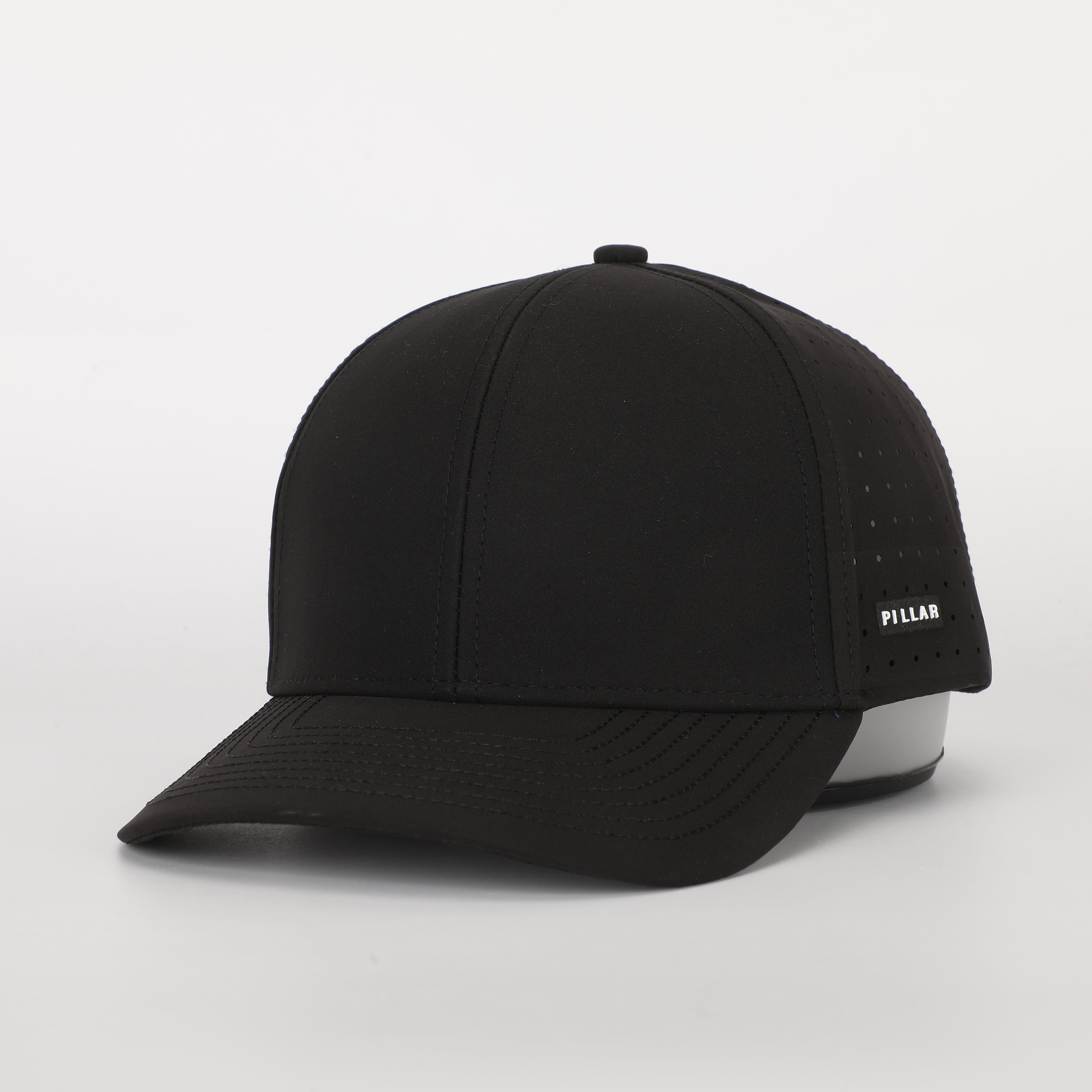
The hat is the one place to break your own rule
A hat in exactly the same color as everything else disappears. A hat one step lighter or darker gives the outfit a top note and keeps a one color look from reading like a costume. It is the cheapest correction available, and it is the piece most people skip.
Frequently Asked Questions
What is the difference between a monochrome and a tonal outfit?
A monochrome outfit uses one color at one value, such as black on black on black. A tonal outfit uses one color family across several values, such as coffee, tan and bone together. Monochrome is more graphic. Tonal is softer and easier to get right, because the pieces do not have to match exactly.
Does an all black outfit make you look bigger or smaller?
Neither, on its own. An unbroken column of one color makes the body read as one continuous line rather than two blocks, which is why it usually looks longer and leaner. Fit does most of the work. A boxy black tee will still look boxy.
How do I stop two black pieces from looking mismatched?
Buy them at the same time from the same brand, and wash them the same number of times. Black fades toward brown or charcoal at different rates depending on fabric, so a cotton tee and a polyester jogger bought a year apart will drift. If they already have, use the faded piece as the middle value on purpose.
Is white activewear see through?
It depends on fabric weight and whether the piece is lined. Hold it up to a window before you commit. Structured white pieces with a lining, such as a polo or a lined skirt, are safe. Thin single layer knits are the risk.
What color is easiest to wear head to toe?
Navy, then brown, then black. Navy hides fading better than black does and still reads as a neutral. Brown is the most forgiving because nobody expects two browns to match. Black looks the sharpest but punishes mismatched shades the hardest.
Ready to gear up?
One color, three textures, and a fit that is not boxy. Build the column from pieces that are in stock right now.
Shop PILLAR40% off, automatically applied at checkout on every women’s piece.
Shop Women’sKeep reading
- Cloud blue, activewear's calmest new color
- Why logo free activewear is winning in 2026
- Brown is replacing black in activewear
- What is actually changing in activewear this fall
- Best golf polo colors for men in Arizona
- Do golf shorts and polos have to match
- Best t-shirt colors for men, and in what order
- What to look for in branded company apparel
