


How to Stop Chafing in Athletic Wear: Inseam, Seam, and Fabric Fixes
Where it happens, and what is rubbing
Chafing is a fit problem wearing a skin problem's clothes. Three things cause almost all of it: an inseam that is the wrong length, a seam sitting where the body moves, and a fabric that holds water. Fix those three and the tape and the balm become unnecessary.
What is actually rubbing
Diagnose firstBefore buying anything, work out which of these four is happening to you. The fix is different for each one, and buying the wrong fix is why people conclude that nothing works.
Fix one, get the inseam right
Men's shortsInseam is the whole ballgame for men. Anything at or under five inches will ride up on a wide thigh, and once it rides up it stops being a barrier. Here is what each length actually covers.
There is a longer breakdown of this in the inseam guide, including how the same number looks different at different heights.


Fix two, kill the seam
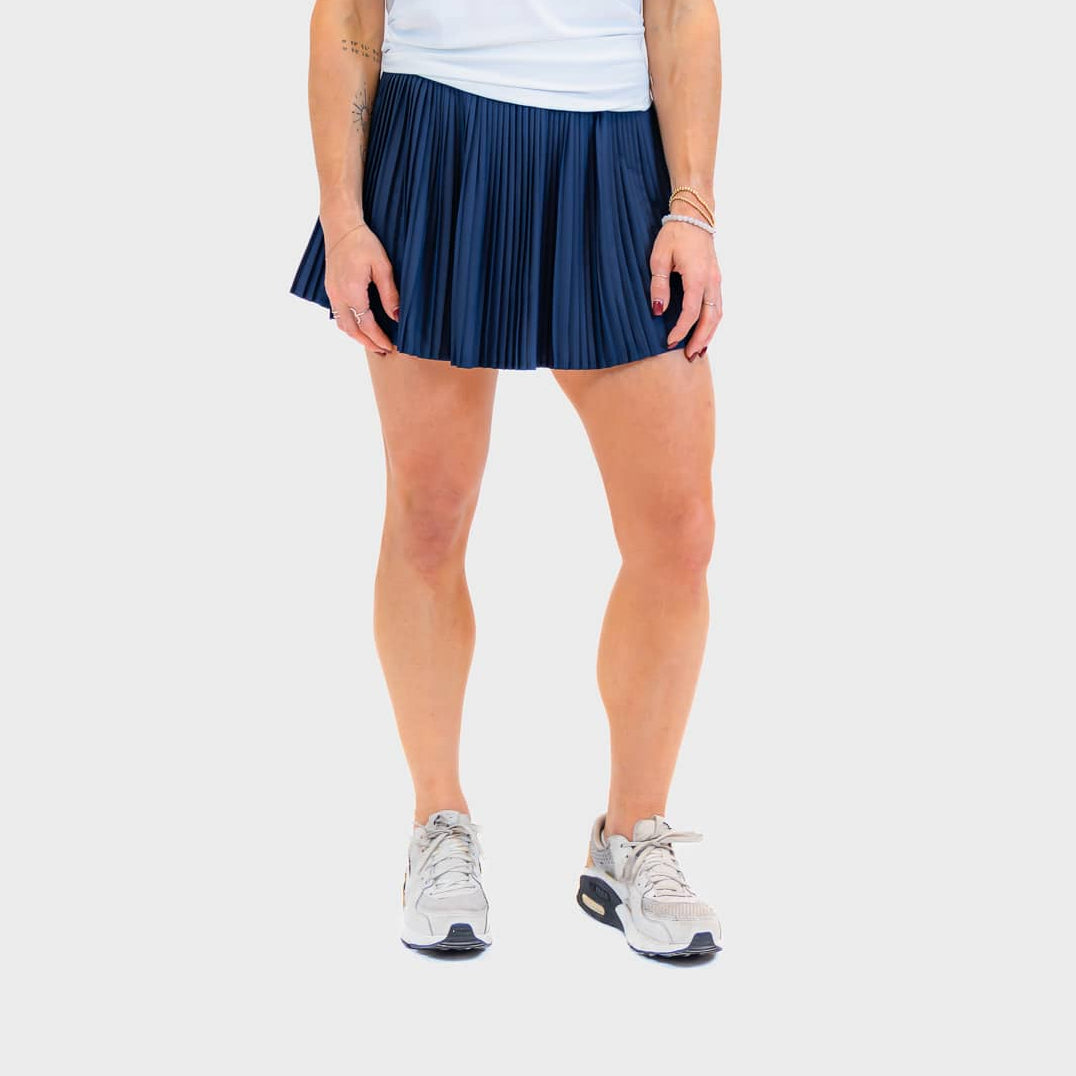
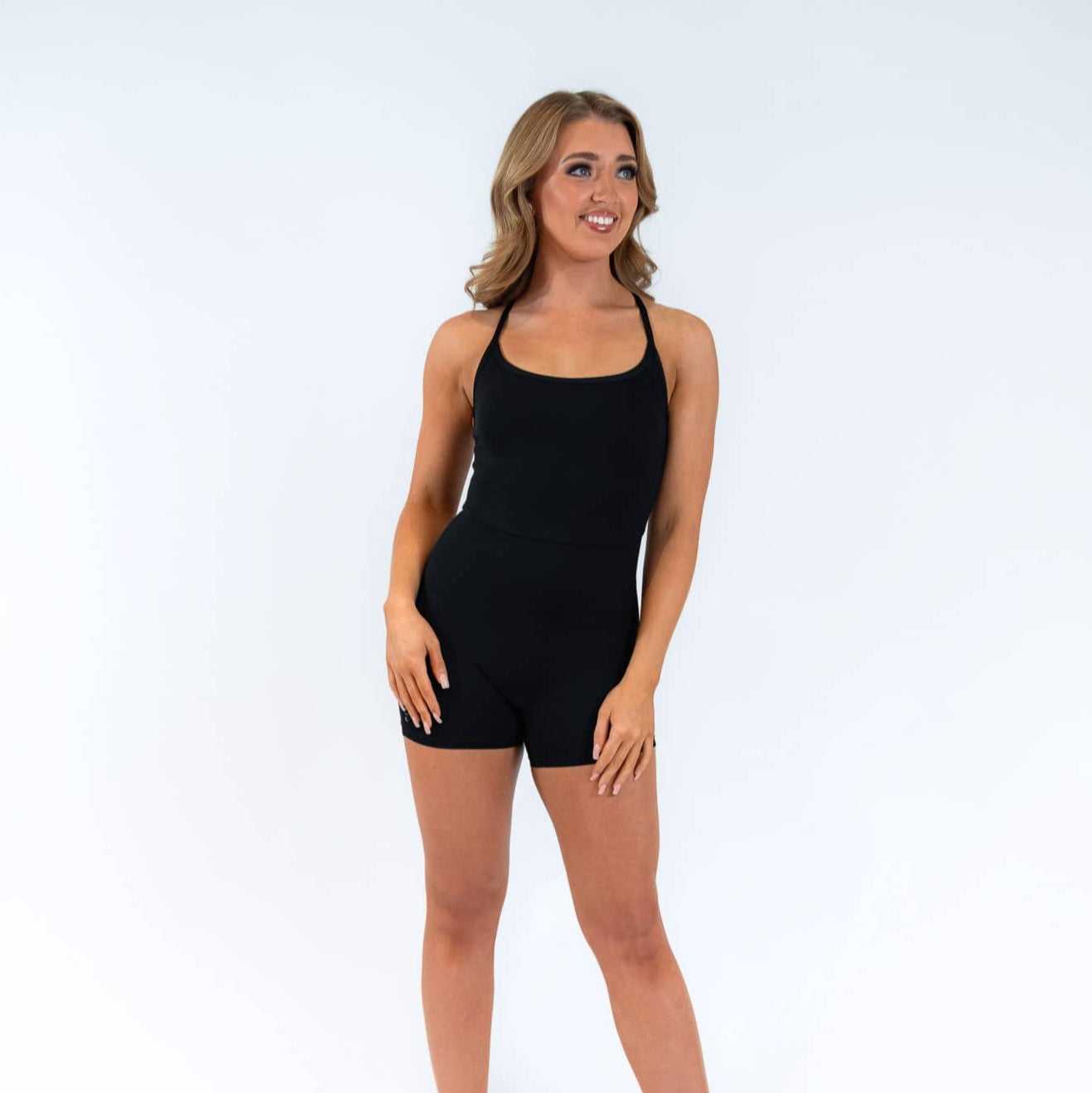
Women's bottomsFor women the inseam conversation usually turns into a seam conversation, because the bottom is a legging or a skort and the length is already there. What matters is how the garment is put together and whether it stays put.
A built in short under a skort solves the inner thigh entirely, which is why a skort beats a tennis skirt on a hot day and why the comparison in the skort versus shorts guide keeps landing on the skort. On leggings, look for flatlock seams and no front seam. Both are printed on the spec, and both exist for this one problem.

Fix three, the fabric rules
What to check on the tagFabric decides whether a garment stays dry, and dry fabric does not rub. This is the checklist to run before buying anything you plan to sweat in.
- Nylon or polyester as the main fiber, with spandex for recovery. Both shed water instead of holding it.
- Flatlock or bonded seams, not overlocked ridges, anywhere near the thigh or underarm.
- A waistband wide enough that it cannot fold over on itself.
- Enough compression that the garment stays where you put it through a full stride.
- 100% cotton anywhere below the waist for a long session. It soaks, it sags, it drags.
- A loose fit bought one size up to create room. It creates movement instead.
Color matters less than people think here, but it is not nothing. Sweat that shows is sweat that is sitting on the surface, and the sweat hiding color guide covers which shades read dry longest.
Fix four, the Arizona specific one
Heat and saltDry heat changes the math. You sweat the same amount but it evaporates fast, so the water leaves and the salt stays on the skin and inside the fabric. Salt is abrasive. That is why a September round at 103 degrees chafes worse than a humid morning where the fabric stays soaked.
Two practical consequences. Rinse the garment the same day rather than letting salt dry into the fibers, which is the same reason performance fabric stops working when it is washed with softener. And carry a second pair on long days. Walking 18 in the heat is a two garment day, which is the same conclusion reached in the walking 18 guide.
If the skin is already broken, stop wearing the thing that broke it and let it close before the next session. That is a skin question at that point, not an apparel one, and worth a doctor's opinion if it is not healing.
Frequently Asked Questions
Quick answersWhat is the fastest way to stop inner thigh chafing?
Change the inseam. Move from a 5 inch short to a 7 inch short, or put on a legging or a skort with a built in short. Length that keeps fabric between the thighs stops the contact entirely, which no balm can do once you are two hours into a session.
Do compression shorts stop chafing or cause it?
They stop it, as long as the fit is right. Chafing comes from movement between fabric and skin, and compression removes the movement. What causes trouble is a compression short that is too short, because then the hem sits right at the widest part of the thigh and the edge does the rubbing.
Is cotton or polyester better for chafing?
Polyester and nylon, clearly. Cotton absorbs sweat and holds it, which makes the garment heavy, loose and slow to dry. A wet cotton short sags and slides. A polyester or nylon short with spandex sheds water and holds its position.
Why do I chafe more in dry heat than in humidity?
Sweat evaporates faster in dry air and leaves salt crystals behind on the skin and in the fabric. Those crystals are abrasive. This is why an Arizona afternoon can be rougher on skin than a humid morning even though the fabric feels drier.
Will sizing up in my shorts help with chafing?
Usually not. A bigger short moves more, and movement is the mechanism. Keep your size, add inseam length, and look for a waistband that will not fold. If you are genuinely between sizes, the fit logic is worked out in the sizing guide.
Keep reading
Ready to gear up?
Shop NowFree shipping over $75. Designed in Scottsdale, Arizona.
